Loxford Road Carpet Cleaning Guide for Busy Homeowners
If you live on or around Loxford Road, carpet cleaning can feel like one more job fighting for time with work, school runs, laundry, pets, and the general chaos of real life. This Loxford Road carpet cleaning guide for busy homeowners is built for people who want clean carpets without turning the process into a weekend project. You will find straightforward advice on what works, what to skip, how to avoid common mistakes, and when it makes more sense to bring in help. Truth be told, most carpets do not need perfection; they need the right care at the right time.
Below, I will walk through practical methods, scheduling tips, and the kind of decisions that save time and stress. If you are comparing services too, it helps to know what a proper professional carpet cleaning service should cover, what to ask about before booking, and how to get better results from the visit itself.
Why Loxford Road carpet cleaning guide for busy homeowners Matters
Busy homeowners tend to notice carpet problems late. By the time the hallway looks dull, the lounge smells a bit stale, or that one spill has become a permanent landmark, you are already working around the issue. That is exactly why a practical carpet cleaning routine matters. It helps you stay ahead of wear rather than reacting when the carpet is already looking tired.
On a street like Loxford Road, homes often see a lot of foot traffic. Shoes pick up grit. Kids drop snacks. Pets bring in mud. And in winter, wet weather makes everything worse. Small bits of dirt sit in carpet fibres and act like sandpaper. You do not always see the damage day to day, but over months it adds up. The carpet loses softness, colours fade unevenly, and fibres flatten in the busiest paths.
There is another angle, too. A carpet is not just decor. It affects how a room feels. Fresh carpet can make a whole house seem calmer and better cared for, even if the shelves are not perfect and the toy box is still overflowing. Let's face it, most of us never get a house fully finished. Clean floors just make everything easier to live with.
Expert summary: For busy homes, the best carpet cleaning plan is not the most complicated one. It is the one you can repeat consistently, with quick weekly upkeep and a deeper clean when the carpet actually needs it.
How Loxford Road carpet cleaning guide for busy homeowners Works
Carpet cleaning works by removing soil, oils, allergens, and stains from the pile before they become deeply embedded. In simple terms, the more you leave it, the harder it gets. Most homeowners use a mix of three levels of care:
- Routine vacuuming to lift loose dirt before it settles.
- Spot cleaning to deal with spills and accidents quickly.
- Deep cleaning to refresh the whole carpet and remove built-up grime.
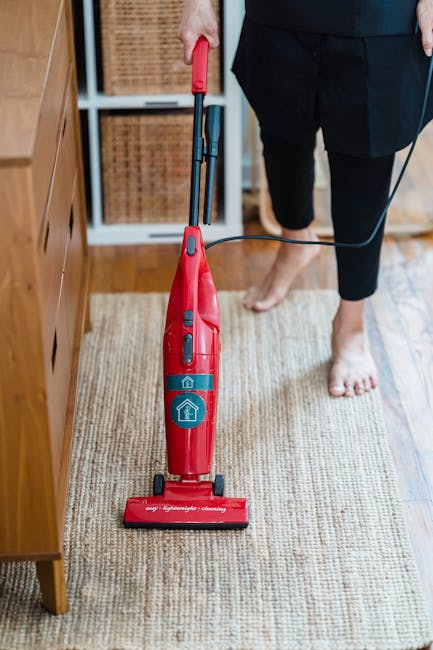
For everyday maintenance, vacuuming is the backbone. It sounds obvious, but a decent vacuum pass does more than tidy the floor. It removes abrasive grit and dust from the carpet surface and from just below it. If you skip this, even good deep cleaning will not last as long.
Spot cleaning is where timing matters. A fresh spill is usually much easier to remove than an old stain that has set. If you blot rather than scrub, and use the right cleaning approach for the fibre type, you usually stand a better chance. Scrubbing feels productive, I know, but it often pushes the stain deeper. Annoying, but true.
Deep cleaning is the reset. Depending on the carpet and household, this might mean hot water extraction, steam carpet cleaning, or another suitable method. If you want a deeper look at that method specifically, the page on steam carpet cleaning explains what that approach is designed to do and where it tends to work best.
Key Benefits and Practical Advantages
The biggest advantage of a good carpet cleaning routine is simple: it saves time later. A carpet that is looked after properly tends to need less dramatic intervention. Stains are easier to manage, fibres hold up better, and the whole room feels fresher with less effort.
For busy households, the practical benefits are even more specific:
- Less stress when spills happen, because you already have a plan.
- Better appearance without constant full-house cleaning.
- Longer carpet life through reduced wear from dirt and grit.
- Improved comfort underfoot, especially in living rooms and bedrooms.
- More predictable upkeep because you know when to do what.
There is also a hidden benefit: cleaning gives you a chance to inspect the carpet properly. You notice thinning areas, loose joins, recurring odours, or damage from a pet or chair leg. That helps you decide whether a deep clean is enough or whether you need more specific treatment, such as stain removal support or pet stain and odour removal.
And here is a small but real advantage for busy people: a cleaner carpet makes the rest of the house feel more manageable. You may still have 14 things on the counter, but at least the room does not look dusty and dull. That counts for something.
Who This Is For and When It Makes Sense
This guide is especially useful if you are:
- a homeowner with a packed schedule and little spare time;
- living with children, pets, or both;
- trying to keep a rented or owned property in decent shape without constant upkeep;
- preparing for visitors, a special event, or a move;
- dealing with regular spills, mud, or high-traffic wear;
- not sure whether to clean the carpet yourself or call in a specialist.
It also makes sense if you have different flooring or furnishings around the house and want to clean everything in a sensible sequence. For example, if the lounge carpet, sofa, and rug all need attention, it can be practical to think about the whole room rather than each item in isolation. A coordinated plan often saves time. If that sounds familiar, you might also look at sofa cleaning or rug cleaning as part of the same refresh.
When does it make sense to act? A few signs stand out:
- the carpet looks flat even after vacuuming;
- the room smells stale or musty;
- spills are leaving visible marks;
- the carpet gets dirty again very quickly;
- you find yourself avoiding certain spots because they look messy.
That last one is a dead giveaway, by the way. If you are stepping around a patch in your own living room, it is probably time.
Step-by-Step Guidance
If you want carpet cleaning to fit around a busy household, it helps to break it into manageable chunks. No heroic weekend wipe-outs. Just a repeatable process.
1. Clear the room in stages
Move small items first: toys, baskets, footstools, magazines, and anything that gets in the way. You do not have to empty the room in one go unless you are doing a full deep clean. In practice, partial clearing often works fine and saves time.
2. Vacuum thoroughly before any wet cleaning
Always start dry. A proper vacuum pass removes loose dirt and helps any cleaner work better. Go slowly over high-traffic areas, and do edges too. Most people rush this part, then wonder why the results are only so-so. Happens all the time.
3. Test a hidden area first
Before using any product, try it on a small, hidden patch. Different carpets react differently, especially wool and blended fibres. You are checking for colour change, texture change, or residue.
4. Treat spots as quickly as you can
Blot spills from the outside in, using a clean cloth or paper towel. Do not rub. If needed, use a suitable spot treatment and keep the amount controlled. Too much liquid can spread the problem or soak into the underlay. For stubborn marks, a dedicated stain removal approach may be more appropriate than general cleaning.
5. Choose the right deep-clean method
For some carpets, a low-moisture clean may be enough. For others, a deeper extraction method is better. Heavily used hallways, landing carpets, and family living rooms often benefit from a more thorough clean. Bedrooms may need less frequent treatment unless they see a lot of traffic.
6. Let the carpet dry properly
Drying matters more than people think. A damp carpet can hold a stale smell and feel uncomfortable underfoot. Open windows if the weather allows, use airflow, and avoid walking on the area too soon. If you are in a hurry, that is exactly when drying can feel like it takes forever. Slightly irritating, yes. Worth it, absolutely.
7. Reset the room once the carpet is dry
Put furniture back carefully. If possible, use pads or protection under heavy legs. Then vacuum lightly again after the carpet has fully settled. That final touch brings the room back together nicely.
Expert Tips for Better Results
Small habits make a big difference, especially when you do not have time to keep starting over. Here are the ones that matter most in everyday homes:
- Vacuum high-traffic routes more often than the rest of the room. Hallways and lounge paths collect dirt fast.
- Use door mats properly so you are not dragging in extra grit every day.
- Deal with stains the same day if possible. Even 10 minutes helps.
- Keep a basic spot-clean kit in an easy place, not buried at the back of a cupboard.
- Rotate furniture occasionally so wear patterns are less obvious.
- Clean before the carpet looks terrible, not after. Prevention is cheaper and calmer.
A useful little trick: if you have pets or children, take a photo of a stain or problem area before cleaning it. That gives you a visual reference if you want to compare before and after, or if you need to explain the issue to a professional cleaner. Not glamorous, but handy.
If you are also thinking about upholstery or curtains at the same time, it is often more efficient to plan the room as a whole. You can explore upholstery cleaning or curtain cleaning if you want the soft furnishings to match the freshly cleaned carpet.
Common Mistakes to Avoid
Most carpet cleaning mistakes come down to two things: using too much moisture and acting too late. The rest are variations on that theme.
- Scrubbing stains hard instead of blotting them.
- Using the wrong product for the fibre or stain type.
- Soaking the carpet and leaving the underlay wet.
- Skipping the vacuum before cleaning.
- Cleaning only the visible stain and ignoring the surrounding area.
- Leaving furniture on damp carpet and causing marks or rust transfer.
- Waiting too long to clean spills because "I will deal with it later."
That last one is very human, to be fair. But later usually means harder work.
Another common mistake is assuming every dark patch is a stain. Sometimes it is embedded dirt, a traffic lane, or a residue left by a previous cleaner. The fix can be different. If you are unsure, it is safer to be cautious than to attack the carpet with random products and hope for the best. Hope is not a cleaning method.
Tools, Resources and Recommendations
You do not need a cupboard full of specialist products. In most busy homes, a simple setup is enough:
- a reliable vacuum cleaner with decent suction;
- clean white cloths or absorbent towels;
- a soft brush for gentle agitation;
- a spray bottle for careful spot treatment;
- an appropriate carpet cleaner for your fibre type;
- protective gloves if you are using stronger products;
- fans or basic airflow help for drying.
For many homeowners, the key decision is not the tool itself but the method. If you want a deeper, more efficient clean without buying equipment, comparing service options can save a lot of trial and error. In that case, the site's pricing and quotes information is a sensible place to start, especially if you are deciding whether a one-off clean or a recurring arrangement fits your routine.
If you are concerned about how a company handles trust, payment, and security, it is reasonable to check pages such as payment and security, insurance and safety, and health and safety policy. Those pages help you understand the practical side of booking, especially if you are arranging access while juggling work or family commitments.
Law, Compliance, Standards, or Best Practice
For homeowners, carpet cleaning is not usually a regulated activity in the way some trades are, but there are still sensible best practices worth following. If you use chemicals, you should handle them carefully and follow the product instructions. Keep children and pets away from wet or treated areas until they are safe to re-enter. That is just basic household common sense, really, but it matters.
If a professional cleaner is entering your home, you would normally expect them to work safely, carry suitable insurance, explain any limits clearly, and treat your property with respect. Good practice also includes checking suitability for delicate fibres, discussing drying times, and being honest about what a cleaning process can and cannot remove. No proper cleaner should promise miracles on an old stain that has already set into the backing.
For people who care about service standards, transparency matters too. That includes clear terms, sensible complaint handling, and straightforward privacy practices. If you want to understand how a provider approaches those basics, the relevant pages are terms and conditions, complaints procedure, and privacy policy. There is also a sustainability angle worth noting. Choosing methods and products more carefully can reduce waste and unnecessary repeat cleaning, which is why some homeowners appreciate a company that takes recycling and sustainability seriously.
Options, Methods, or Comparison Table
If you are trying to decide how to clean a carpet in a busy household, the method matters as much as the result. Here is a practical comparison.
| Method | Best for | Pros | Limitations |
|---|---|---|---|
| Routine vacuuming | Everyday upkeep | Fast, low-cost, prevents grit build-up | Will not remove deep stains or ingrained dirt |
| Spot cleaning | Fresh spills and small marks | Quick response, helps stop stains setting | Can spread the stain if overused or rubbed in |
| Steam or hot water extraction | Deep refresh for busy rooms | Thorough, good for built-up soil | Needs drying time and careful handling |
| Low-moisture cleaning | Light refresh between deep cleans | Faster drying, convenient | May be less effective on heavy soiling |
| Targeted stain treatment | Specific spots, pet accidents, tracked-in dirt | Focuses on the actual problem area | Needs correct product selection and patience |
For many homeowners, the best answer is not one method but a combination. Vacuum regularly, spot clean quickly, and schedule a proper deep clean before the carpet starts looking tired. That rhythm is realistic for most households. No drama required.
Case Study or Real-World Example
Here is a realistic example from a typical busy home. A family with two children and a small dog had a lounge carpet that looked fine from a distance but felt dull and slightly gritty underfoot. The hallway had a worn traffic lane, and one patch near the sofa kept attracting crumbs and drink marks. They were not dealing with a disaster. It was more of a slow decline, which is often the real story.
Instead of trying to fix everything in one exhausted Saturday, they broke the job into three parts. First, they cleared the room of small items and vacuumed properly. Then they treated the worst spots carefully and let them dry. Finally, they booked a deeper carpet clean for the whole room and the hallway together.
The result was not magic. The stains did not vanish in one dramatic moment, and the dog still came in from the garden with muddy paws now and then. But the carpet looked brighter, the room smelled fresher, and the family had a plan they could actually keep up with. That is the kind of result busy homeowners usually need: good, repeatable, and not a massive faff.
In homes like that, the real win is momentum. Once you see the carpet responding, it is easier to keep on top of it next time.
Practical Checklist
Use this simple checklist before, during, and after carpet cleaning:
- Vacuum all carpeted areas thoroughly.
- Remove small furniture and loose items.
- Test any cleaning product on a hidden patch.
- Blot stains gently instead of rubbing.
- Use the least amount of moisture needed.
- Allow proper drying time with ventilation where possible.
- Keep children and pets away from damp areas.
- Recheck problem spots after drying.
- Vacuum again once the carpet has settled.
- Note any stains that did not fully lift so you can treat them properly next time.
If you have a pet-heavy home, you may also want to pair the carpet clean with specific odour or stain treatment. That usually works better than trying to solve everything with one general product.
Conclusion
For busy homeowners, the best carpet cleaning plan is the one you can live with. It should be simple enough to repeat, effective enough to matter, and flexible enough to fit around work, family life, and all the other things that crowd a week. On Loxford Road and nearby streets, that usually means regular vacuuming, quick stain response, sensible drying, and a deeper clean when the carpet starts to lose its lift.
Keep it practical. Keep it regular. And do not wait until the carpet is shouting for attention. A little care goes a long way, and honestly, that is a relief when life is already full.
Get a free quote today and see how much you can save.
Frequently Asked Questions
How often should busy homeowners clean carpets?
Most busy homes benefit from frequent vacuuming, quick spot cleaning as needed, and a deeper clean when traffic marks or dullness start to show. The exact timing depends on pets, children, room use, and carpet type.
Is steam cleaning safe for all carpets?
Not always. Steam or hot water extraction can be very effective, but delicate fibres and certain backings need care. Always check suitability first, or ask a professional to assess the carpet before choosing a method.
What is the fastest way to deal with a spill?
Blot it quickly with a clean cloth, work gently from the outside in, and avoid rubbing. Use only the amount of cleaning solution you need. Speed helps, but panic cleaning makes a mess of the job.
Can I clean carpets myself and still get good results?
Yes, if the carpet is lightly to moderately soiled and you stay consistent with vacuuming and spot care. For older stains, heavy traffic lanes, or larger homes with little free time, a professional clean may be the better use of energy.
How long does a carpet usually take to dry?
Drying time varies with the method used, airflow, humidity, and carpet thickness. A light clean may dry fairly quickly, while deeper extraction needs more patience. Good ventilation makes a real difference.
Why does my carpet get dirty again so quickly?
Usually it is a mix of grit at the entrances, foot traffic, poor vacuuming, or residue left behind after cleaning. Mats, regular vacuuming, and the right cleaning method can help slow the cycle down.
Do pet stains need special treatment?
Often yes. Pet accidents can leave both visible marks and lingering odour, and ordinary cleaning may only tackle part of the problem. Targeted treatment is usually a better choice for recurring pet issues.
What should I ask before booking a carpet cleaner?
Ask what method they use, how they handle drying, whether they are insured, how they manage tricky stains, and what is included in the quote. Clear answers are a good sign. Vague answers are not.
Is it better to clean carpets before or after moving furniture?
If possible, remove smaller items first and shift larger furniture only if it is safe to do so. This lets you reach more of the carpet and avoid cleaning around obvious gaps. Heavy items should be handled carefully.
How do I keep carpets looking good between cleans?
Vacuum regularly, deal with spills fast, use mats at entrances, and keep shoes off carpeted areas where practical. Those small habits make a surprisingly big difference over time.
What if a stain does not come out the first time?
Do not keep scrubbing it harder. Some stains need repeat treatment, and some have already set into the fibres or backing. If a mark stays after careful cleaning, it is worth getting a more targeted assessment.
Where can I find more information about related cleaning services?
If you are cleaning the whole room or home, it may help to look at services like upholstery cleaning, curtain cleaning, or the main carpet cleaning page for broader support and service details.